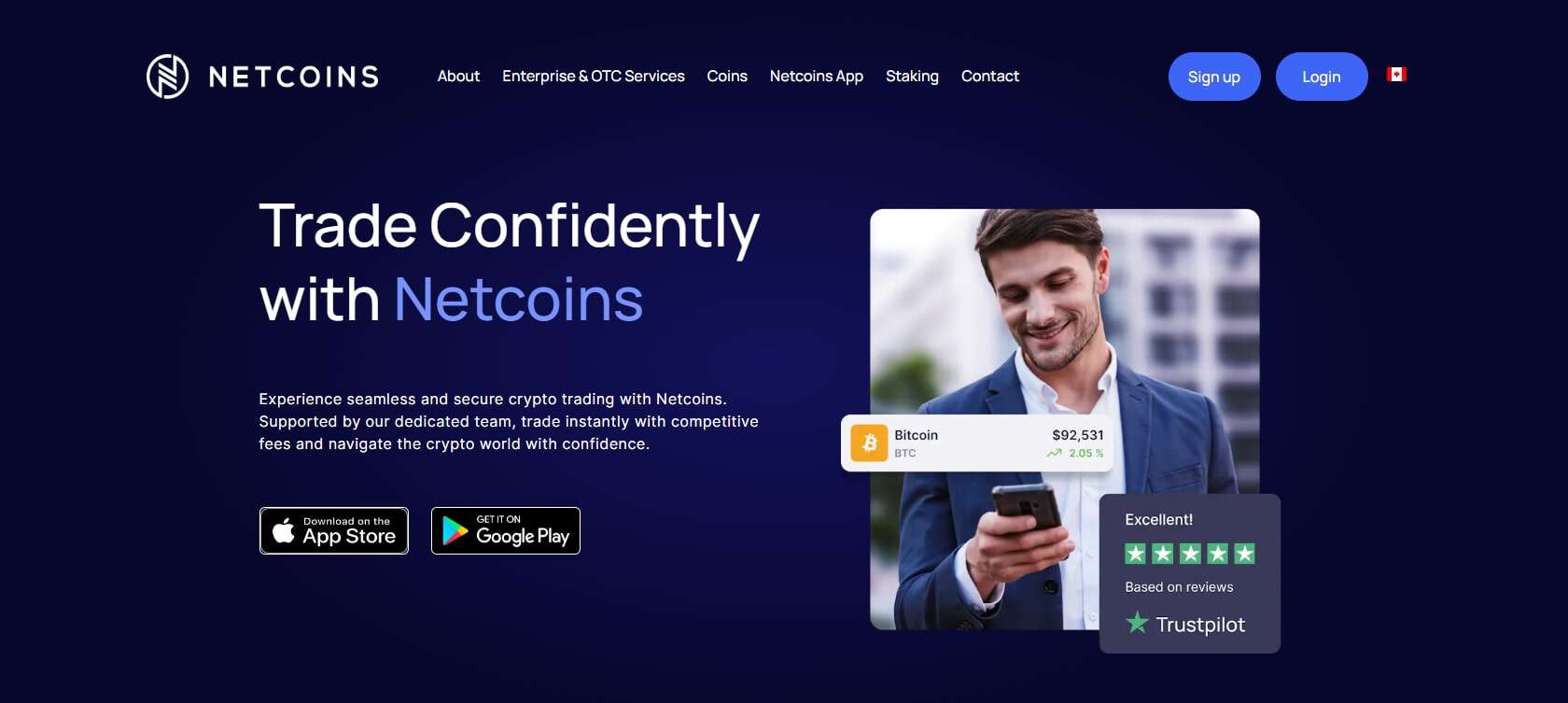
Netcoin Wallet – The Complete Guide to Secure Crypto Management
Netcoin Wallet is a secure, user‑centric cryptocurrency wallet designed to help users store, send, receive, and manage digital assets with confidence. In the evolving world of cryptocurrencies, having a dependable wallet is essential for both new and experienced users. This comprehensive guide covers everything you need to know about Netcoin Wallet: what it is, how it works, setup and login processes, key features, supported assets, security best practices, common issues and troubleshooting, and tips for managing your crypto safely.
What Is Netcoin Wallet?
Netcoin Wallet is a digital wallet application that allows users to securely store and manage various cryptocurrencies. It provides a user interface to interact with blockchain networks without exposing private keys to the internet. Unlike custodial wallets hosted by exchanges, Netcoin Wallet may offer non‑custodial control, meaning users retain ownership of their private keys and, therefore, direct control of their funds.
A well‑designed wallet like Netcoin ensures that you can safely manage your assets, execute transactions, and interact with the broader crypto ecosystem, including decentralized finance (DeFi) and decentralized applications (dApps).
Why Use Netcoin Wallet?
There are several reasons why users choose Netcoin Wallet as their crypto management solution:
Security: Strong encryption and key management help protect your funds against hacks and unauthorized access.
Control: Users often keep private keys locally, giving them sole control of their assets.
Convenience: An intuitive interface makes managing multiple digital assets easy.
Compatibility: Support for a range of cryptocurrencies and tokens allows ease of use across networks.
Growth: The wallet may include integration with DeFi, staking, and swapping features to expand usability.
Choosing a reliable wallet is essential for safeguarding digital assets, and Netcoin Wallet aims to provide a comprehensive solution.
Setting Up Netcoin Wallet
Getting started with Netcoin Wallet involves several steps to ensure both usability and security. Below is a general outline of how users typically set up the wallet:
Downloading the App
First, download the official Netcoin Wallet application from the provider’s trusted source. Always verify the authenticity of the app from official announcements or the project’s website to avoid downloading malicious or fake software.
Creating a New Wallet
Upon launching the app, you will be prompted to create a new wallet. This typically involves setting a strong password and agreeing to terms of service.
Backup Phrase or Seed Phrase
During setup, the wallet will generate a recovery seed phrase — usually 12 to 24 words. This phrase is essential: it is the master key to restore access to your wallet if your device is lost, damaged, or replaced. Write this phrase down on paper and store it in a secure, offline location. Never share it digitally or with anyone else.
Wallet Encryption
Some wallets offer encryption features to add an extra layer of protection. These may include local device encryption or encryption tied to your password.
Logging In to Netcoin Wallet
Once your wallet is set up, logging in becomes the way to access your funds and perform transactions. The login process typically involves entering your password and, in some cases, verifying your identity through additional security measures.
If you enabled biometric login features (such as fingerprint or facial recognition on mobile devices), you can use these for faster, secure access without retyping passwords.
Ensuring only authorized users can login is critical for protecting your funds, especially on devices that may be shared or used in public spaces.
Supported Cryptocurrencies
Netcoin Wallet may support a wide variety of digital assets depending on its design and integrations. Commonly supported assets include:
Bitcoin (BTC)
Ethereum (ETH)
Stablecoins such as USDT, USDC
ERC‑20 tokens and other token standards
NFTs and digital collectibles (if supported)
Support for additional blockchains and tokens may be expanded over time, increasing flexibility for users to manage diverse asset portfolios.
Sending and Receiving Cryptocurrency
One of the most fundamental functions of any wallet is sending and receiving digital assets. Netcoin Wallet enables secure transactions through the following:
Receiving Funds
To receive cryptocurrency:
Open your wallet and select the asset you want to receive.
Use the provided wallet address or QR code.
Share the address with the sender securely.
Always double‑check the address before sharing it. Sending assets to the wrong address can lead to irreversible loss.
Sending Funds
To send assets:
Select the asset you want to send.
Enter the recipient’s address.
Specify the amount.
Confirm the transaction details.
Submit and approve the transaction.
Many wallets offer fee controls, allowing users to choose transaction speeds and associated fees. Understanding network fees is important, especially on congested blockchain networks.
Key Features of Netcoin Wallet
A capable crypto wallet like Netcoin typically includes several useful features:
Portfolio Overview
Users can view the value of their crypto holdings in one place, including real‑time price information and historical performance.
Transaction History
Complete logs of all incoming and outgoing transactions, including dates, amounts, and network confirmations, help users track activity.
Swapping and Exchange Integration
Some wallets include built‑in swap features, allowing users to exchange one cryptocurrency for another without leaving the wallet.
Staking and Earning Rewards
Certain digital assets support staking, which lets users earn rewards for participating in blockchain validation. A wallet that offers staking functionality enables users to stake directly from the app.
NFT Support
If Netcoin Wallet includes support for NFTs, users can view, transfer, and manage digital collectibles within the wallet interface.
Security Alerts and Settings
Notification features may alert users to account activity, network fees changes, or new software updates. Adjustable security settings enhance protection.
Security Best Practices
Security is paramount when managing cryptocurrency. Users should adopt best practices to safeguard their assets:
Protect Your Seed Phrase
Write it down on paper.
Store it in multiple secure offline locations.
Never share it with anyone.
Choose Strong Passwords
Use complex, unique passwords. Avoid reusing passwords across multiple accounts.
Enable Additional Security Features
Biometric authentication and device‑based security options add layers of protection.
Keep Software Updated
Regular updates ensure the wallet has the latest security patches and feature improvements.
Be Wary of Phishing
Avoid entering login details or seed phrases on unfamiliar sites or app copies. Always verify official sources.
Netcoin Wallet and Web3 Integration
If Netcoin Wallet supports Web3 or decentralized applications, users may interact directly with dApps for DeFi services, NFT marketplaces, or decentralized exchanges. Web3 integration typically works through a built‑in browser or wallet connection feature, enabling users to connect their wallet to external services while keeping private keys secure.
Interacting with decentralized protocols opens opportunities for earning yields, trading assets, or participating in blockchain governance, but users should exercise caution, as smart contract interactions carry risk.
Common Issues and Troubleshooting
Even with a reliable wallet, users may encounter occasional issues. Here are common problems and helpful troubleshooting tips:
Login Problems
Forgotten password: Use recovery options if available; otherwise, restore with your seed phrase.
Biometric login not working: Reconfigure or fallback to password entry.
Transaction Failures
Insufficient funds for fees: Ensure you have enough balance to cover network fees.
Incorrect address: Double‑check recipient addresses before sending.
App Crashes or Errors
Update the app: Ensure you are using the latest version.
Restart the device: Sometimes a simple restart fixes temporary issues.
Sync or Balance Delays
Blockchain networks sometimes experience delays in confirmations. After a few network validations, balances typically update automatically.
If problems persist, consult official support documentation or community forums for guidance specific to Netcoin Wallet.
Managing Multiple Accounts
Some users may wish to manage multiple wallets for different purposes, such as long‑term holding versus active trading. Netcoin Wallet may support multiple addresses or account profiles, which helps users organize assets neatly. Always label your wallets clearly to avoid sending funds to the wrong account.
Privacy Considerations
While transactions on blockchains are transparent, personal identity is not automatically tied to wallet addresses. Nonetheless, users should be mindful of privacy practices, including:
Avoiding public disclosure of wallet addresses linked to identity
Using separate addresses for different activities
Reviewing privacy settings in the wallet app
Protecting privacy helps maintain security and reduces exposure to targeted phishing or scams.
Netcoin Wallet vs Exchange Wallets
It’s useful to understand differences between non‑custodial wallets like Netcoin and exchange wallets:
Netcoin Wallet (Non‑Custodial)
User controls private keys
Strong emphasis on personal security
Greater autonomy and responsibility
Exchange Wallets (Custodial)
Exchange holds private keys on user’s behalf
Easier for beginners but less control
Users rely on exchange security
Choosing between these depends on individual preferences and risk tolerance. Non‑custodial wallets are generally recommended for users who value control and long‑term security.
Tips for Long‑Term Crypto Management
Long‑term holders should consider:
Periodic backups: Keep your seed phrase and important information in secure backup locations.
Hardware wallet integration: For large holdings, consider using hardware wallets for enhanced offline protection.
Stay informed: Follow news about wallet updates, network upgrades, and security alerts.
Use secure devices: Avoid accessing wallets on compromised or public devices.
These practices support a safer crypto journey, especially for substantial investments.
Conclusion
Netcoin Wallet is a powerful tool for managing and protecting your cryptocurrency assets. By understanding how to set up, log in, and navigate the wallet, you gain control over your digital investments. The wallet’s features — from secure private key management to transaction capabilities and potential Web3 integrations — make it suitable for a wide range of users.
Security is at the core of any wallet experience, and adopting strong best practices will help protect your funds and maintain peace of mind. Whether you’re sending and receiving crypto, tracking your portfolio, or interacting with decentralized applications, Netcoin Wallet supplies a comprehensive, user‑friendly platform for managing your crypto responsibly.